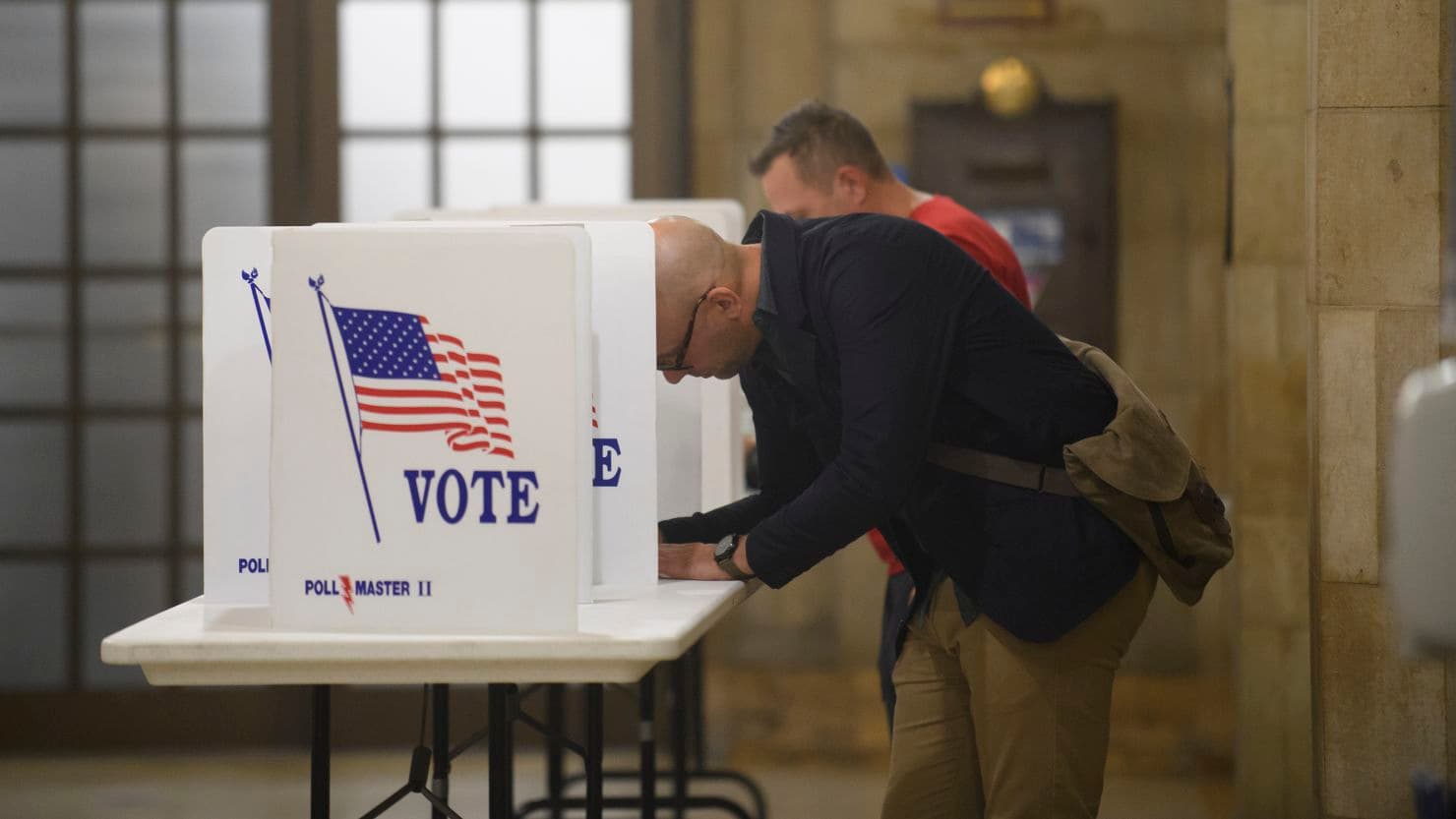
With the passing of the 2024 election, we had the frustration once again of watching states like Arizona take nearly a week to finish counting votes. For Arizonans, it was embarrassing to see their state become a punchline again for the painfully slow counting of ballots. Yet Arizona was not alone—it merely found itself in the spotlight as a swing state. Other states, including California, Oregon, Washington, and that’s right, even Utah, routinely take a week or more to complete their vote counts.
This isn’t “normal” and shouldn’t be expected. So why are Utah elections so slow?
Before we turn our focus to Utah, let’s examine what a proper election should look like. Florida provides a great example of how elections can be both swift and secure. During the 2024 election, Florida processed over 10 million ballots on Election Day, completing the vast majority that night and wrapping up any remaining stragglers the next day.
Now, let’s look at Utah’s performance. Unfortunately, Utah processed ballots at a pace comparable to Arizona. By Friday, November 8, 2024, Utah had reported only 76% of its votes, a figure on par with Arizona. At that time, neither Nevada nor Arizona had been called, highlighting how states like Utah could delay national results if it ever becomes a swing state.
Adding to Utah’s poor elections is its terrible ranking in the Heritage Foundation’s “Election Integrity Report Card”; this report evaluates state election laws and practices based on their security and adherence to best practices. While Tennessee and Florida rank at the top with scores of 90 and 83 respectively, Utah lands abysmally in 33rd place with a score of 53, making it one of the lowest-ranking “red states” in the country.
So why does Utah struggle to deliver timely and secure election results when states like Florida, which processes seven times the number of ballots, perform so efficiently?
The Cougar Chronicle reached out to Hans von Spakovsky (@HvonSpakovsky), Senior Legal Fellow and manager of the Election Law Reform Initiative at the Heritage Foundation, for insight. He explained:
“The reason the state has such a low score is because it foolishly switched to an all-mail system… That is also why it takes the state so long to get results, because it takes longer to process mail ballots. Note there is no ID requirement for mailed ballots, no witness requirement, and numerous other issues where it is not using the best practices for the administration of secure elections.”
Utah’s universal mail-in voting system is clearly a significant factor. Elections are conducted primarily through mail in Utah, which inherently takes longer to process. Compounding the issue, Utah lacks strong voter ID laws and other safeguards, including laws surrounding witness verification for mail-in ballots as noted by Hans. This combination of slower processing times and weak security measures undermines the integrity of Utah’s elections, leaving the state vulnerable to potential fraud and inefficiencies.
For a conservative state, this is a stark and concerning reality. Utah finds itself labeled as the “laughing stock” of red states when it comes to election integrity and efficiency.
So, what can be done?
Utah voters need to reassess their stance on mail-in ballots and demand reforms that prioritize both security and efficiency. Weak election processes harm public trust and invite ridicule. It’s time for Utah to follow the lead of states like Florida and Tennessee, implementing proven best practices such as those outlined in the Election Integrity Report Card. These include stronger ID requirements, tighter controls on mail-in voting, and streamlined ballot processing.
Accessible elections mean little if they are neither secure nor efficient. Utah is far from being the “gold standard” of elections. Instead, it resembles the ugly duckling among its red-state peers. However, Utah can turn things around and implement reforms that restore trust and pride in its election system.
Written by: Jax McKinney
Senior Contributor at the Cougar Chronicle
The Cougar Chronicle is an independent student-run newspaper and is not affiliated with Brigham Young University or The Church of Jesus Christ of Latter-day Saints
Cover Photo Source: https://www.cnn.com/2022/11/07/politics/blue-shift-red-mirage-2022-election-results/index.html